
More Tender Geographies
Annalee Davis: More Tender Geographies
Colorado Springs Fine Arts Center at Colorado College
30 West Dale Street, Colorado Springs, 80903
September 4–December 5, 2026
Curator: Katja Rivera
Admission: $10 for adults; $8 for seniors (65+), military, and teachers with ID; $5 for students grades K-12; free for FAC members, students grade pre-K and younger, college students with ID, and CC faculty, staff, and students
Review by Madeleine Boyson
What marks does a killing machine leave on a body of earth? On a lineage? In a new exhibition at the Colorado Springs Fine Arts Center at Colorado College, marks come in tangled lines, rose-colored veins, spry parasites and tea parties, wet groans and dried plants.
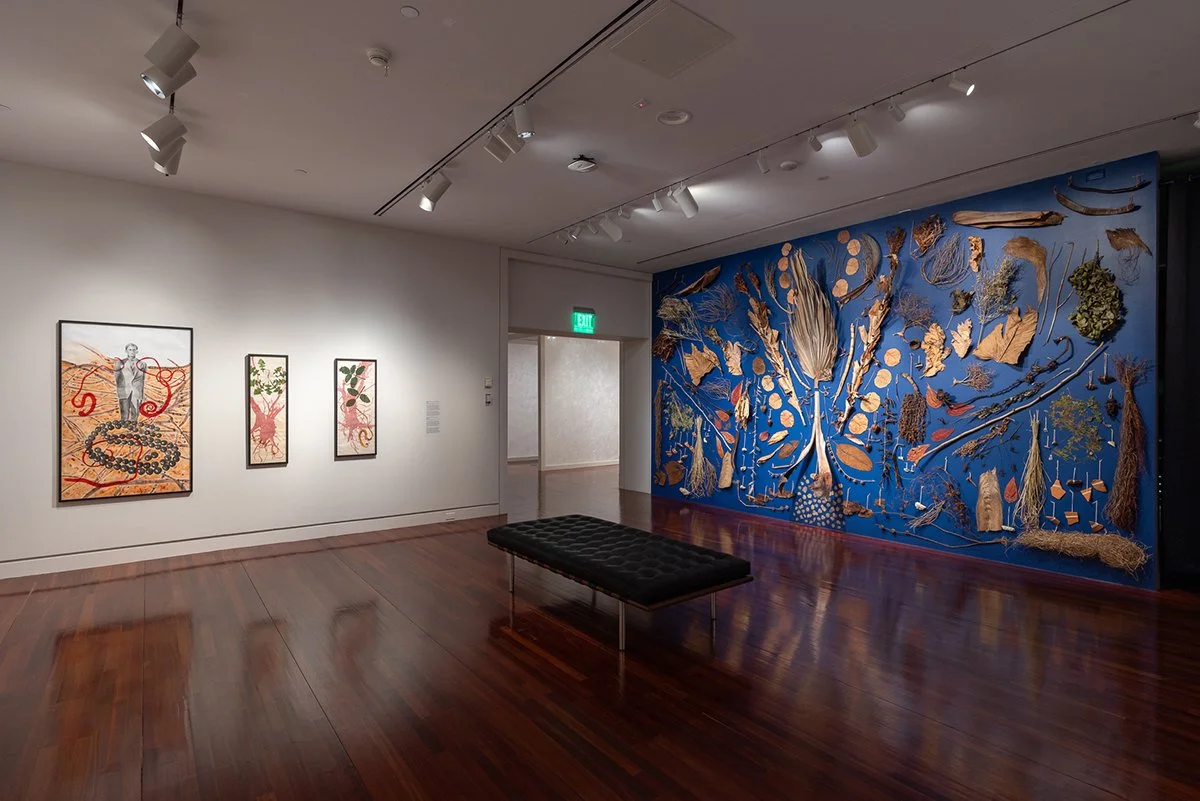
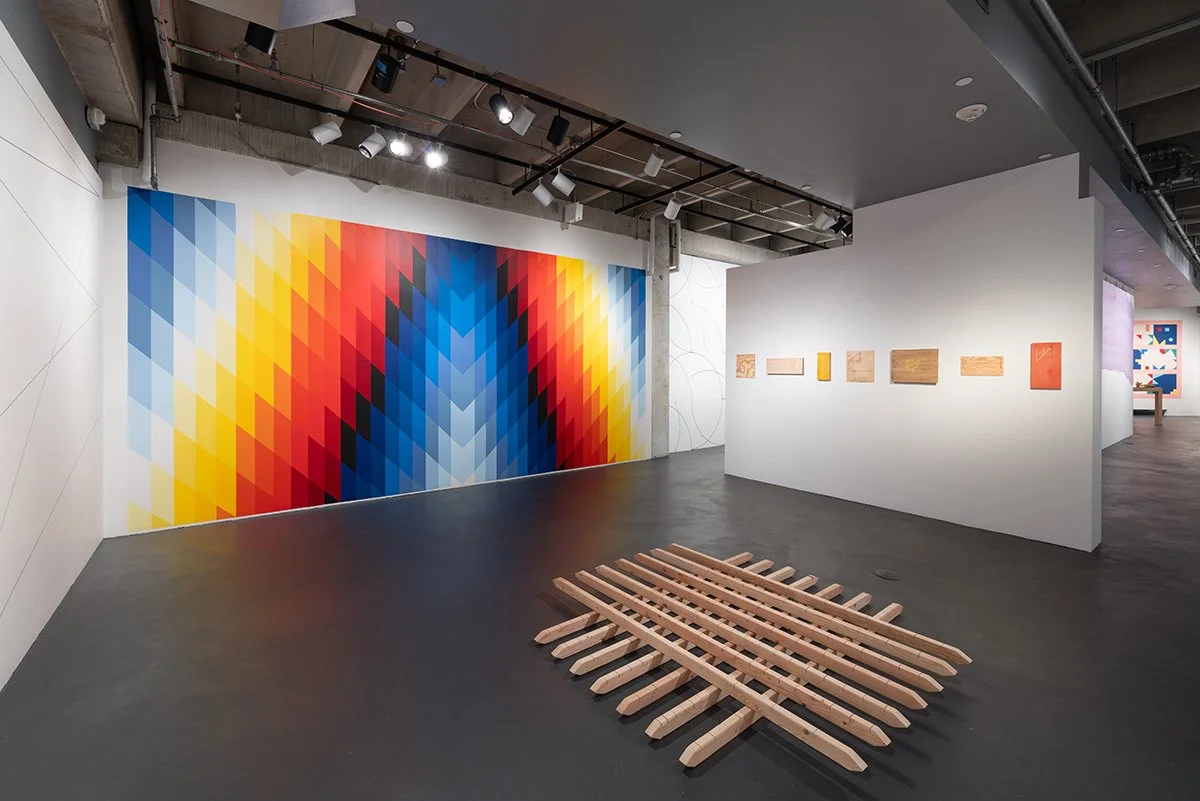
An installation view of Annalee Davis’s More Tender Geographies exhibition at Colorado Springs Fine Arts Center at Colorado College. Image by Wes Magyar, courtesy of Colorado Springs Fine Arts Center.
More Tender Geographies showcasing Annalee Davis, on view through December 5, 2026, stuns like a retrospective rather than a mid-career survey. Catechizing the “post-plantation landscape” of her home in Barbados, Davis lays bare the tools of colonization in over thirty works from the last decade. By exhuming “the miasma of history” from a single terrain, the artist draws a line from what happens in a landscape to what tender becomes at the thin place. [1]
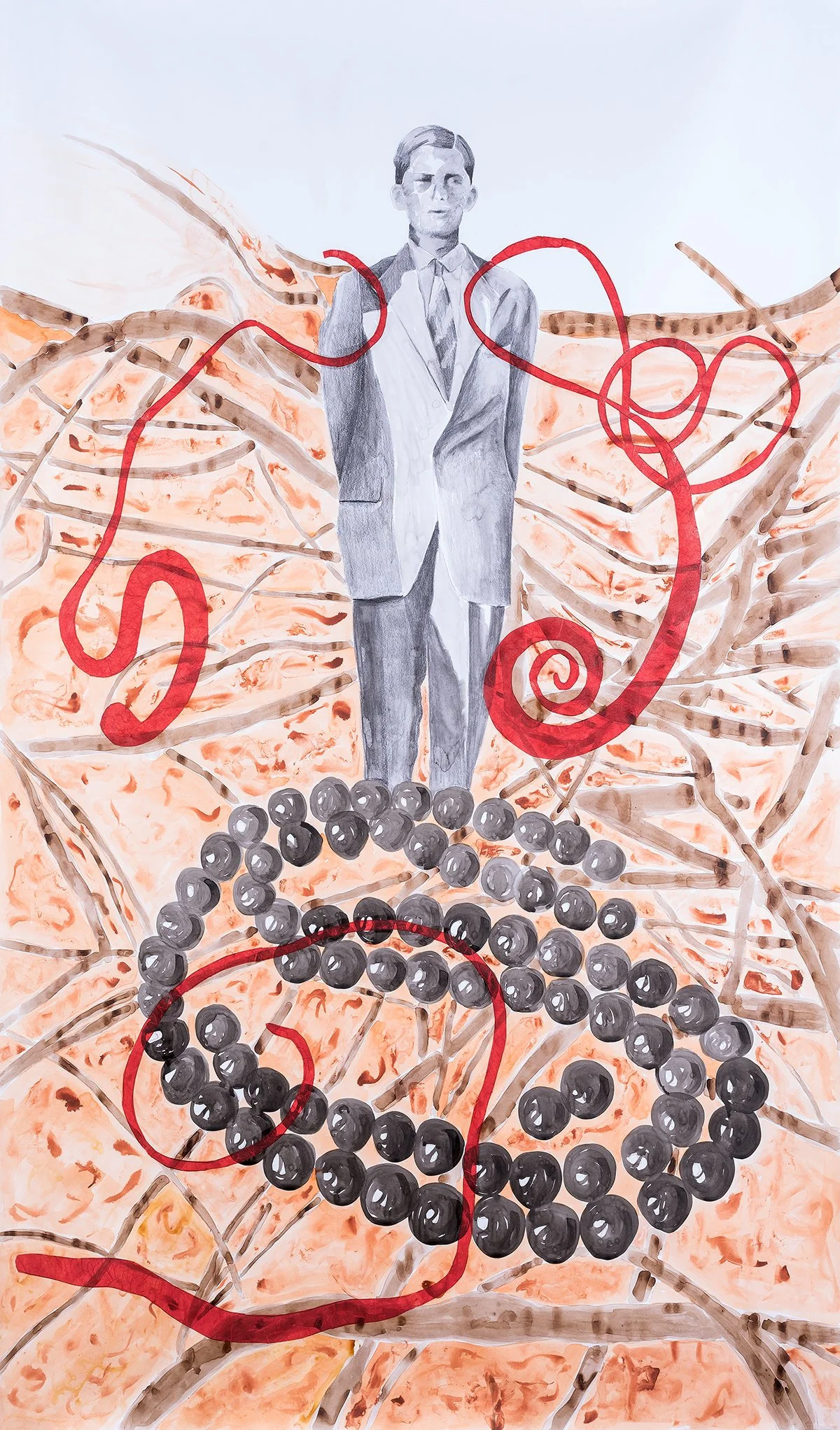
A detail view of Annalee Davis’s As if the Entanglements of Our Lives Did Not Matter, 2019–2020, latex paint, acrylic, colored ink, colored pencil, gold leaf, and mixed media on paper. Image by Royal Botanic Gardens Edinburgh, courtesy of the artist.
Central to Davis's practice is Walkers Dairy, a family property and former sugar plantation that now operates as a dairy farm. The artist combs the land housing her studio to “explore evidence of rupture, care, resistance, and survival.” [2] Working archaeologically, almost forensically, Davis disinters, collects, and transmutes residues of colonizer violence. Discarded paper, broken ceramics, and other ephemera from plantation records form a foundation for numerous series.
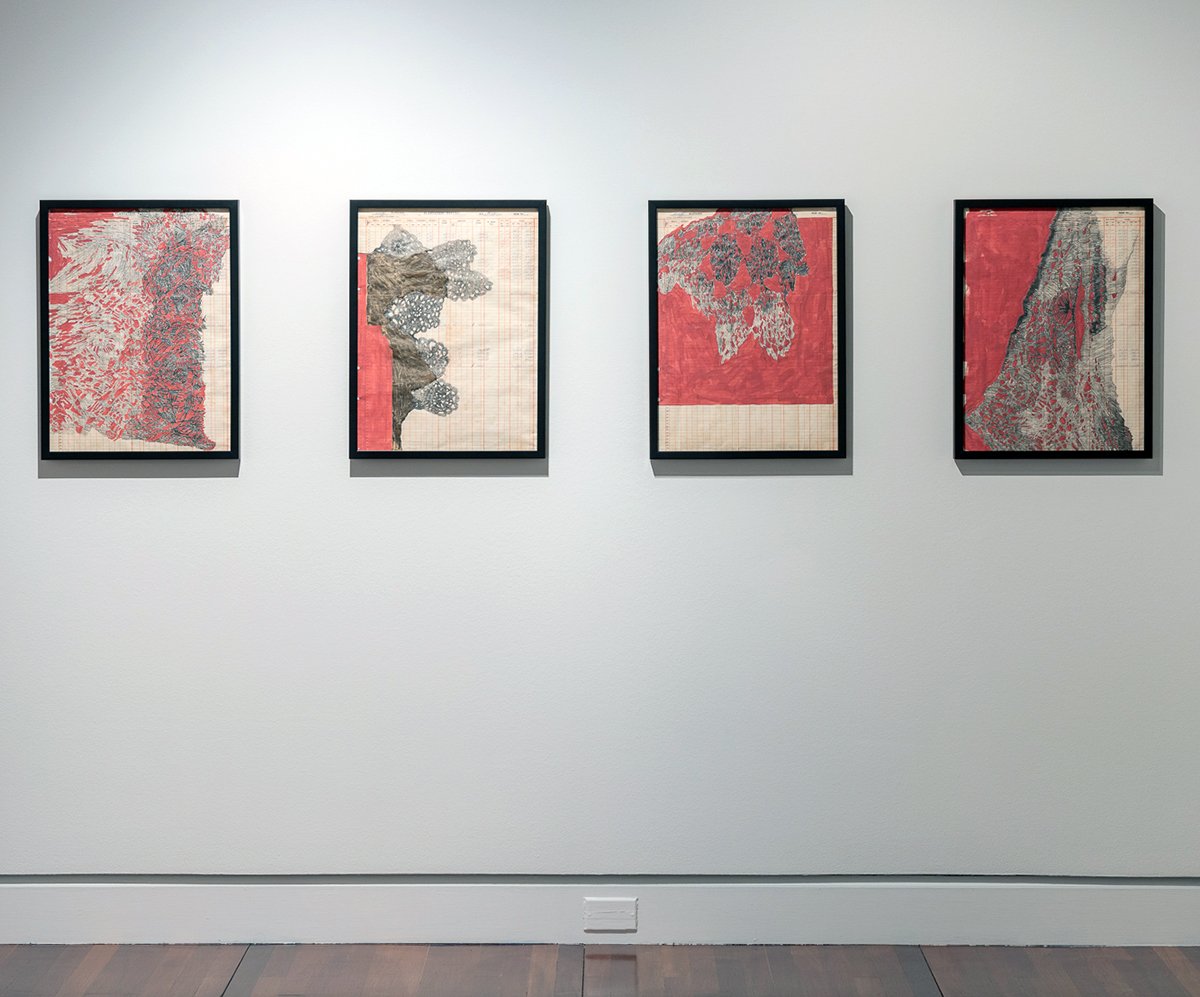
Annalee Davis, In Defense of Beauty, 2017, latex paint, gold leaf, and graphite on ledger pages. Image by Wes Magyar, courtesy of Colorado Springs Fine Arts Center.
In Defense of Beauty (2017) presents scrapped twentieth-century account pages that Davis found around 2014. Ledgers inscribe transactions that mechanized and commodified enslaved labor on plantations, and the sharp lines bleed a Victorian rose that permeates the suite.
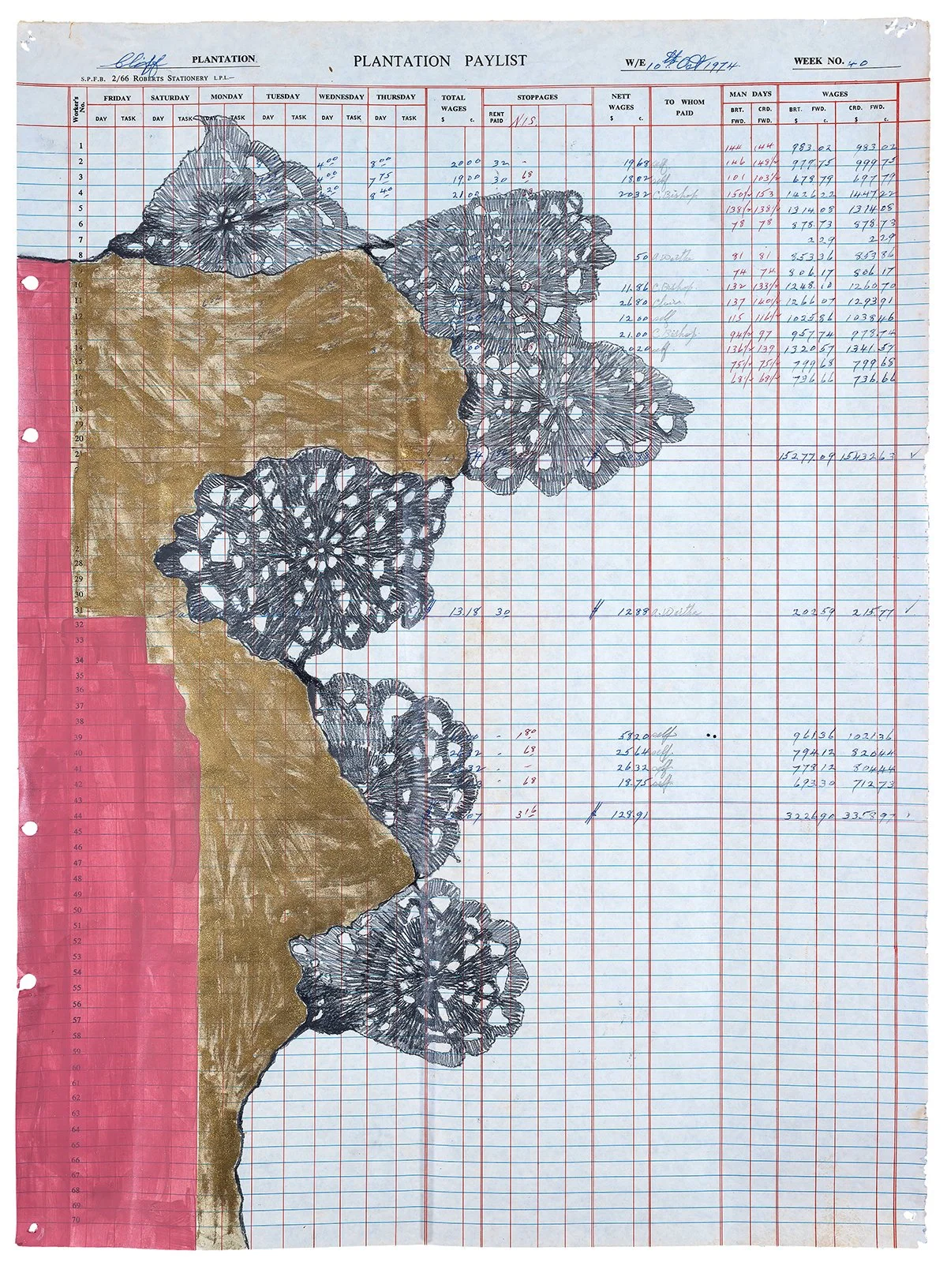
A detail view of Annalee Davis’s In Defense of Beauty, 2017, latex paint, gold leaf, and graphite on ledger pages. Image by Daniel Christaldi, courtesy of the artist.
Davis casts shadows on the paper with crocheted fabric (fugitive evidence of women’s labor) to map new topographies in pink latex, graphite, and gold leaf. The new forms do not opacify the original handwriting; instead, they complicate historical processes and offer alternative beauties to the brutal grid.
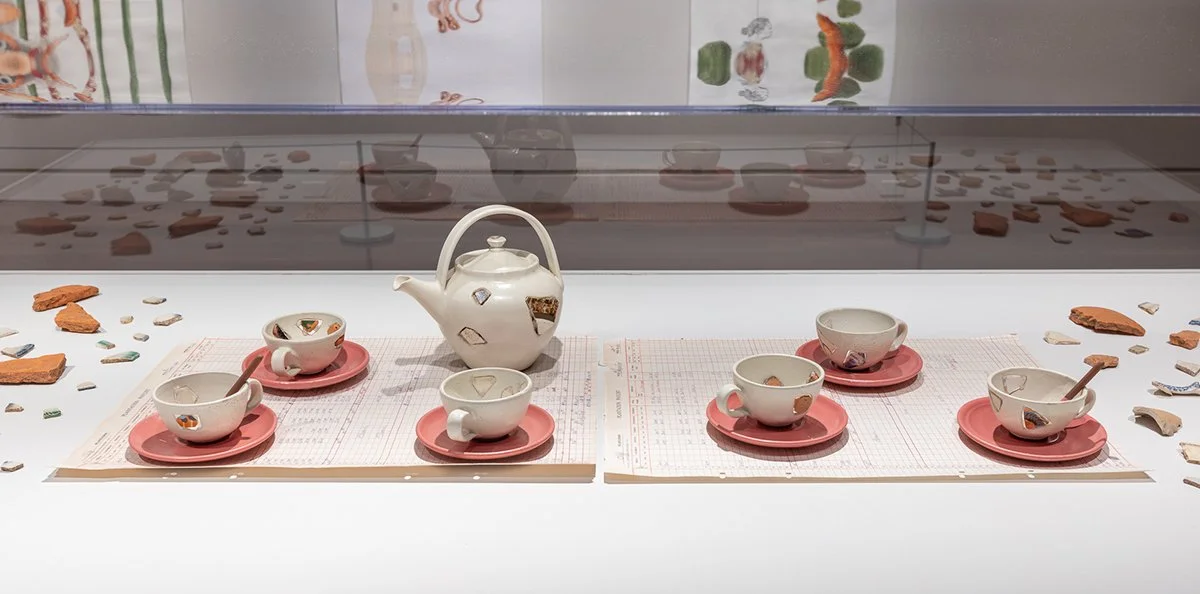
Annalee Davis, (bush) Tea Services, 2016, ceramic, contemporary glazed Barbadian clay, eighteenth- and nineteenth-century clay and porcelain sherds. Image by Wes Magyar, courtesy of Colorado Springs Fine Arts Center.
Elsewhere, (bush) Tea Services (2016) scrapes at colonial economies, entangling noun (a literal tea set) with verbs (to serve tea, in this context as part of forced labor; the aid provided by tea). Made in collaboration with master potter Hamilton Wiltshire, the work incorporates potsherds dug up from Walkers and contemporary red clay from the Scotland District of Barbados.
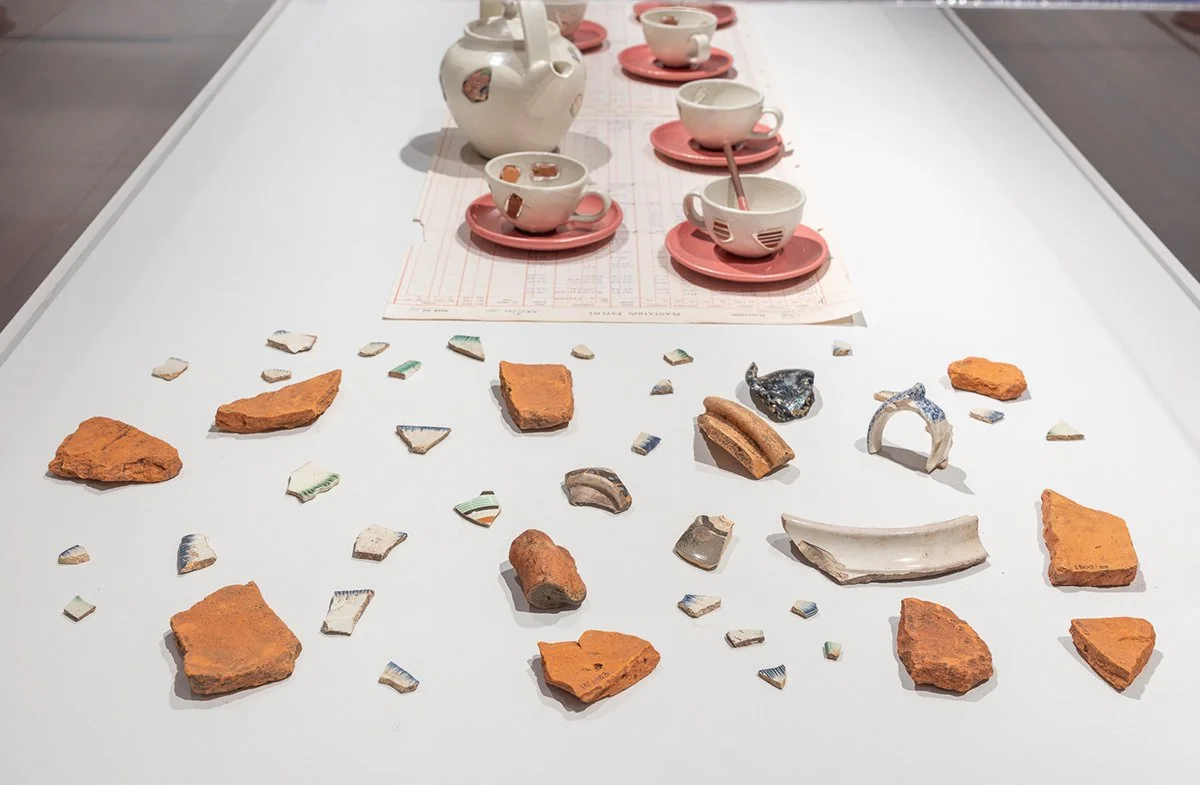
Annalee Davis, (bush) Tea Services, 2016, ceramic, contemporary glazed Barbadian clay, eighteenth- and nineteenth-century clay and porcelain sherds. Image by Wes Magyar, courtesy of Colorado Springs Fine Arts Center.
Porcelain and crockery sherds (that would originally have passed between enslaver and enslaved) puncture vessels glazed a ledger pink, leaving cracks through which liquid and history and resistance may spill. Davis brews and serves bush tea from medicinal plants with detoxifying, even abortive, properties that grow at Walkers. Paper becomes a tea tray, its insipid ledger lines underpinning the colonial economy.
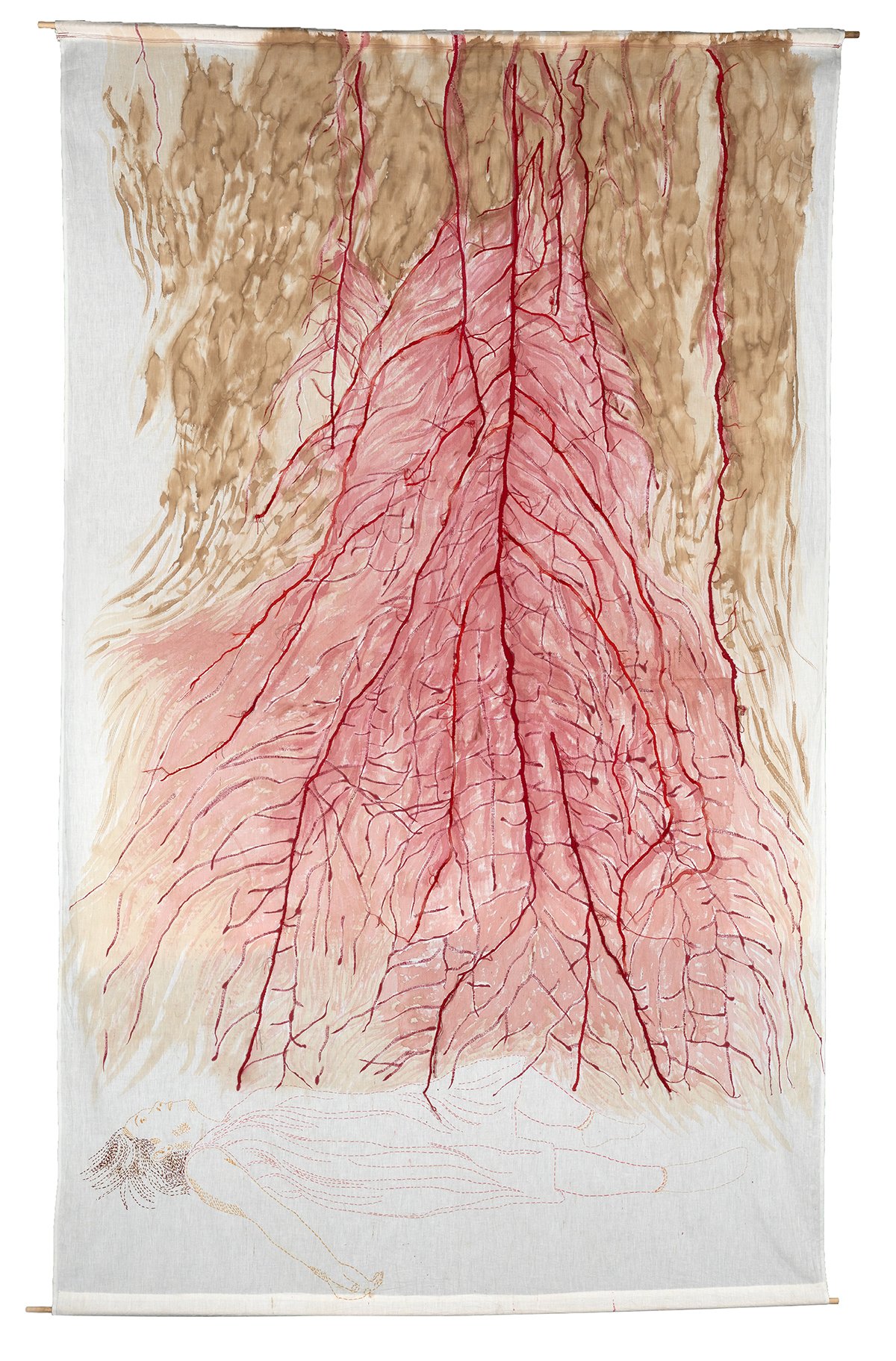
Annalee Davis, made with assistance from Serena Jones, In Reverence, 2024–2026, coffee and tea stains, embroidery, and synthetic dye on cotton. Image by RStudio, courtesy of the artist.
And the selfsame rose of the Walkers’ plantation paylists flows through More Tender Geographies, the bloody colonial project permeating everything, sticky and indelible, unable to clot. In Reverence (2024–2026, with Serena Jones) presents pinkened tributaries hovering over a supine woman.
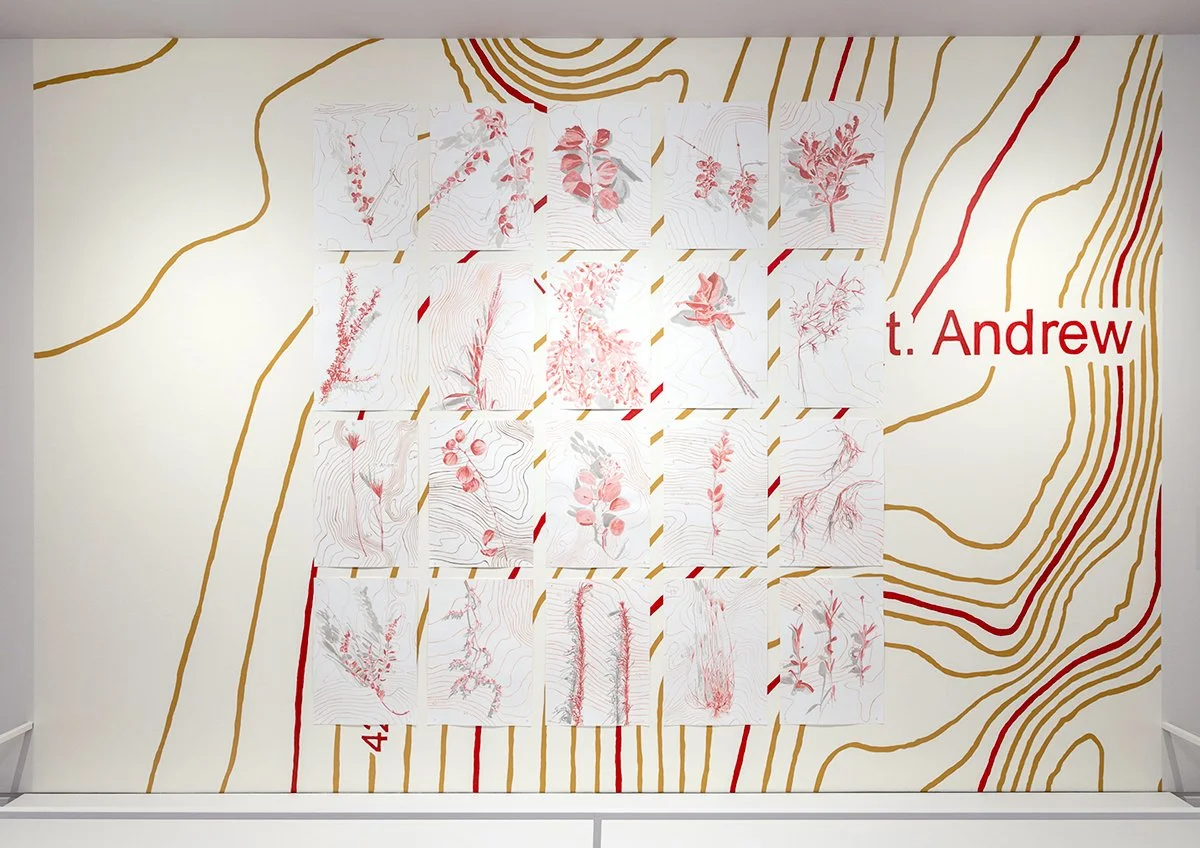
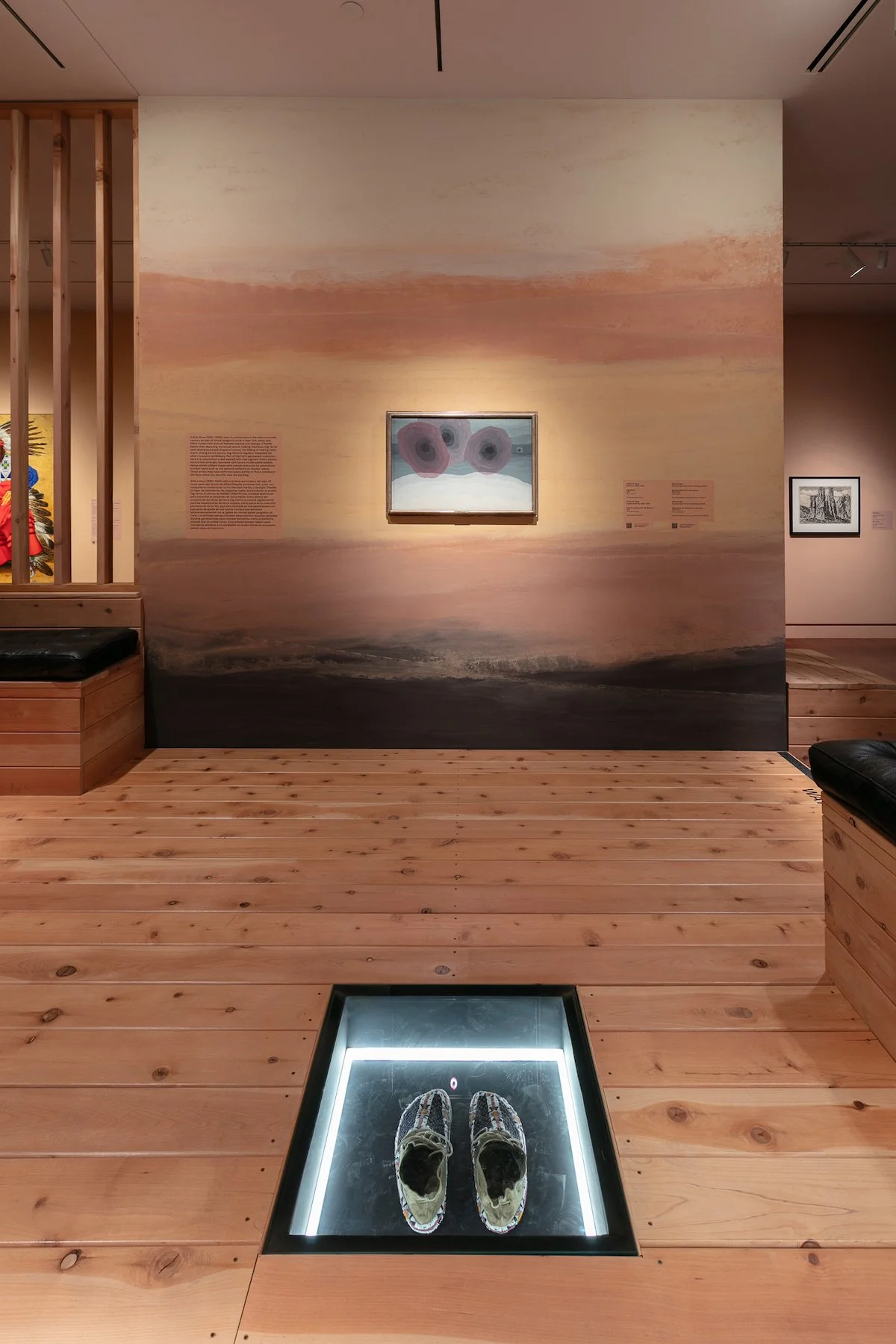
Annalee Davis, From a Garden of Hope, 2021–2022, drawings on hand-painted mural of topographic lines. Image by Wes Magyar, courtesy of Colorado Springs Fine Arts Center.
Across the gallery, a topographical mural and illustrations compass the apothecary garden at the Walkers Institute for Regenerative Research, Education and Design (WIRRED) in From a Garden of Hope (2021–2022). These first aid, reproductive, and post-reproductive medicinal botanicals, growing on the post-plantation site and around Barbados, are rendered in shades of rose and red. The garden is dedicated to women of the land’s history, particularly 160 enslaved women and girls listed in a register for Walkers Plantation in 1834.
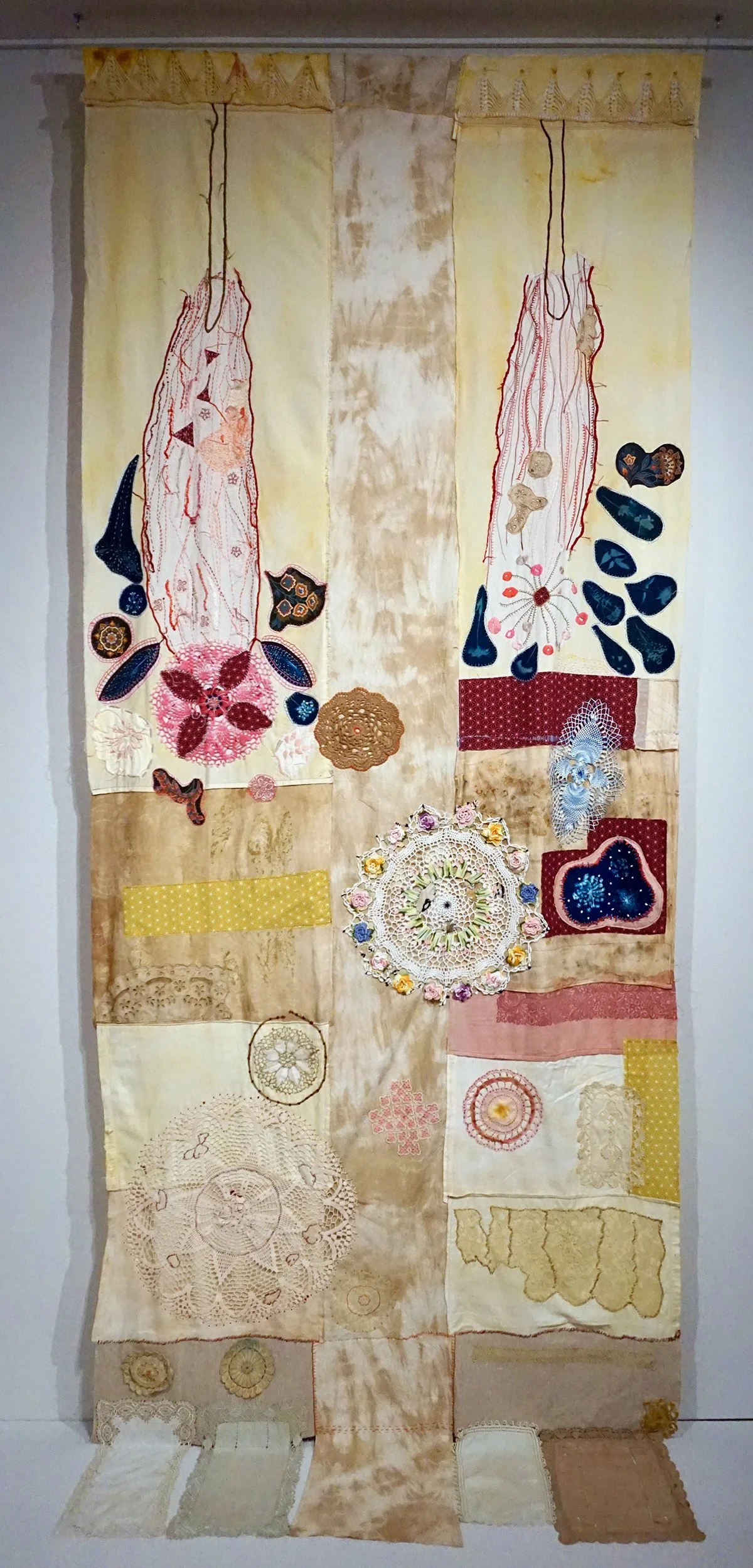
Annalee Davis, Post Reproductive Breasts Sprouting New Life, 2024–2026, crochet, appliqué, cyanotype, eco-dyeing, and embroidery on domestic cotton. Image by Madeleine Boyson.
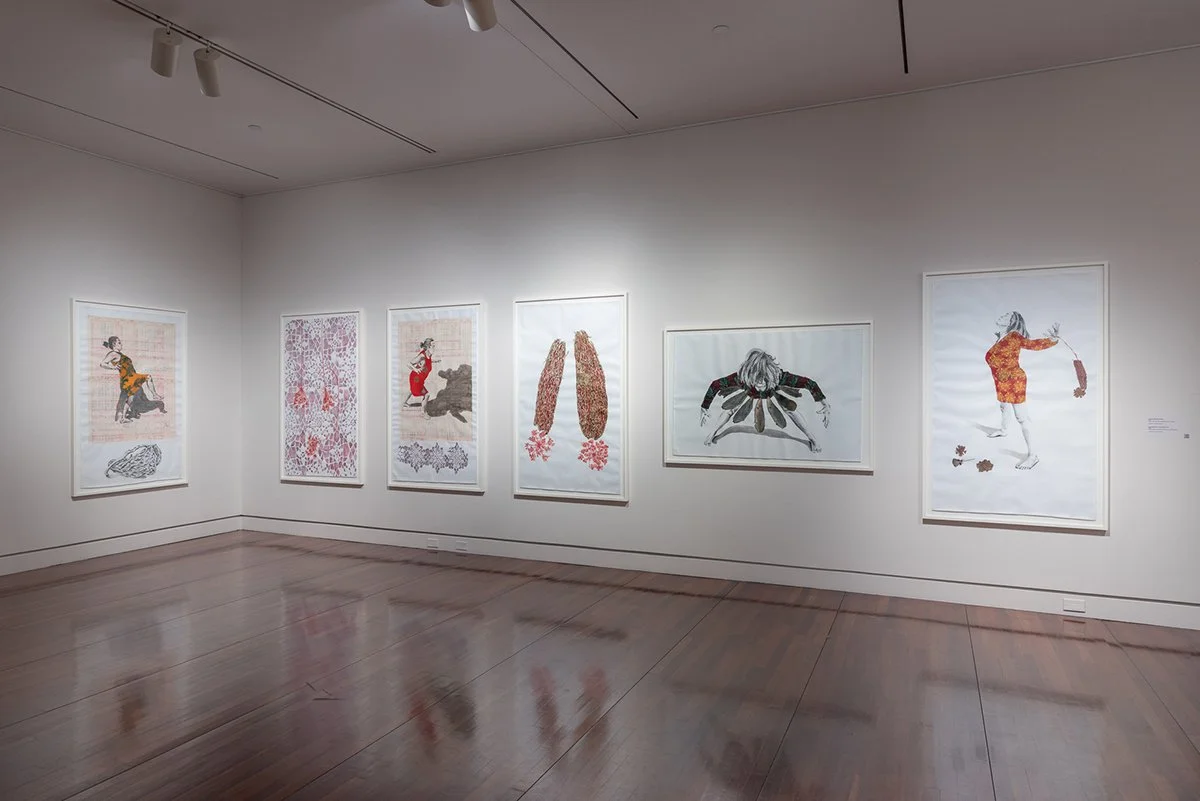
An installation view of works from the Second Spring Series in Annalee Davis’s More Tender Geographies exhibition at Colorado Springs Fine Arts Center at Colorado College. Image by Wes Magyar, courtesy of Colorado Springs Fine Arts Center.
There is also a complicated resilience within these works. WIRRED’s Garden of Hope, for example, reclaims a former sand pit as a permaculture reserve, while the garden honors “potent resource[s] for exercising bodily autonomy” that plants have offered Afro-Barbadian women throughout Caribbean history. [3] Post Reproductive Breasts Sprouting New Life (2024–2026) and Second Spring Series (2016) similarly embody reclamation. The former stitches Queen Anne’s Lace—an Old World colonist—to the areolas of sagging breasts while the latter presents expressive menopausal bodies in bright collages. Life begets life, community ecologies carry knowledge, and bodies are constantly changing landscapes.
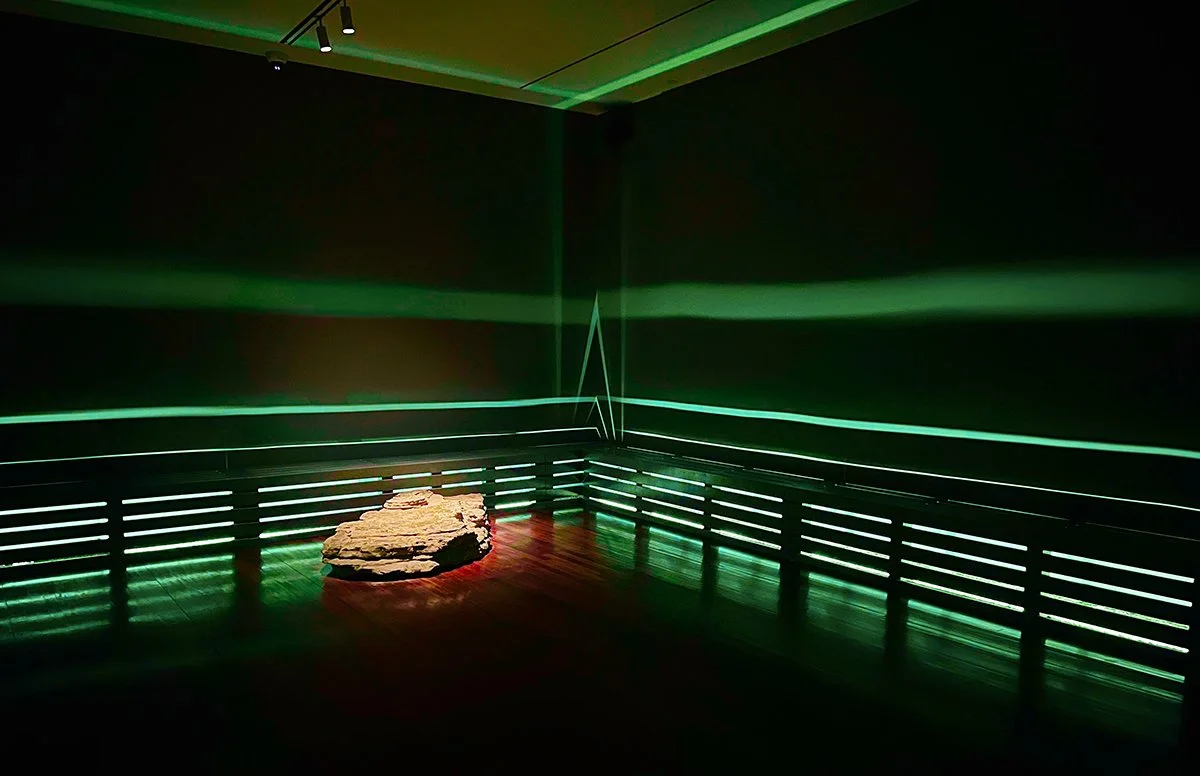
Annalee Davis in collaboration with Simon Pipe (co-producer), Jomo Slusher (trombone), and Marcel Jean-Baptiste (drums and conch), Solastalgia: Geologies of Listening, 2024, sound work with percussion, conch, and trombone recorded in Harrison’s Cave, Barbados, 19:45 minutes. Image by Madeleine Boyson.
According to Davis, restoration also means letting the land “speak back.” [4] Voices, drums, and horns follow visitors through the galleries. One of these sound-based works, Solastalgia: Geologies of Listening (2024), was improvised in collaboration with Simon Pipe, Jomo Slusher, and Marcel Jean-Baptiste concerning the “Plantationocene”—a portmanteau describing ecological devastation wrought by plantation economies.
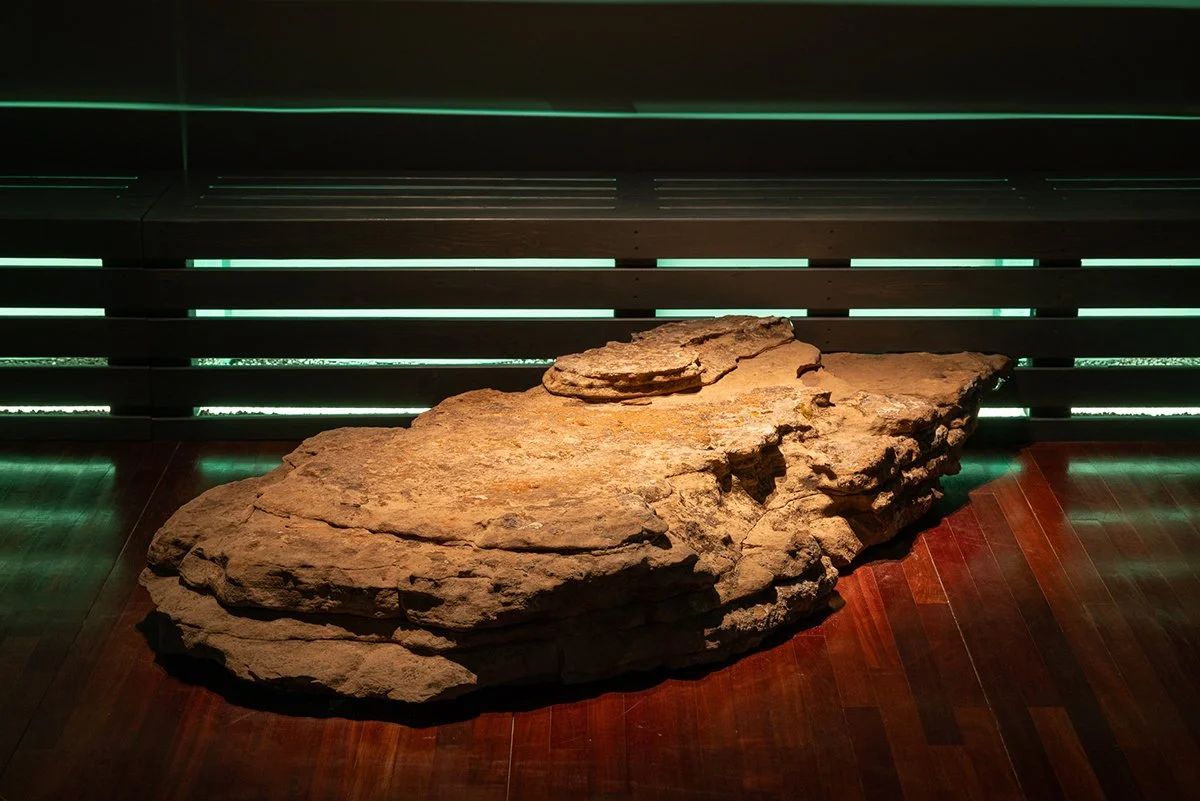
Annalee Davis in collaboration with Simon Pipe (co-producer), Jomo Slusher (trombone), and Marcel Jean-Baptiste (drums and conch), Solastalgia: Geologies of Listening, 2024, sound work with percussion, conch, and trombone recorded in Harrison’s Cave, Barbados, 19:45 minutes. Image by Wes Magyar, courtesy of Colorado Springs Fine Arts Center.
Visitors are invited to reflect on solastalgia (the grief of witnessing environmental change in one’s home) in a room that mimics the subterranean limestone cave in which the work was recorded. Call and response trombone, bélé drum, and conch wail against the cave’s formations, drawing forth primordial lamentation and sonorous rush throughout the galleries.
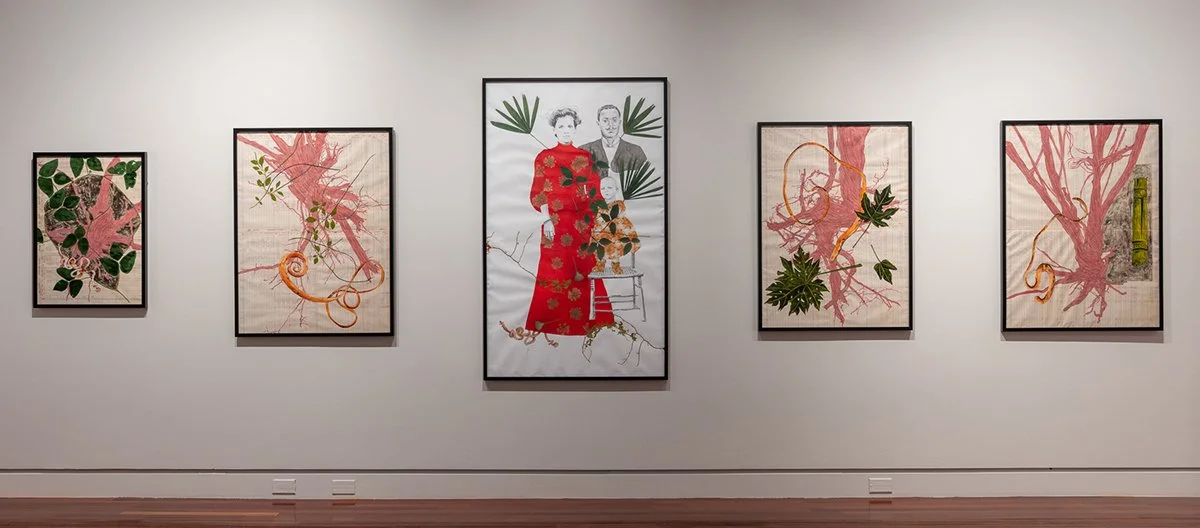
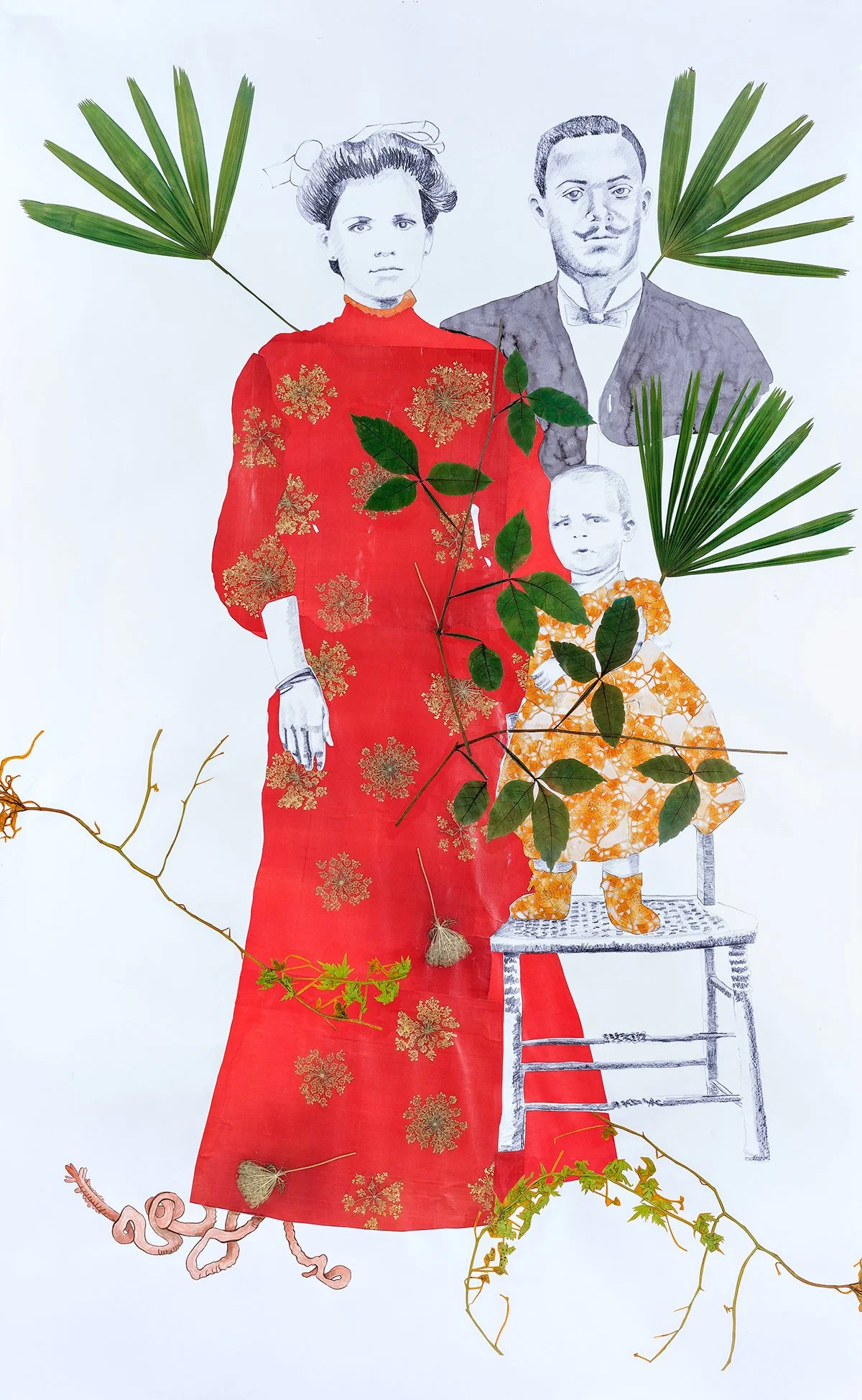
Annalee Davis, As if the Entanglements of Our Lives Did Not Matter, 2019–2020, latex paint, acrylic, colored ink, colored pencil, gold leaf, and mixed media on paper. Image by Wes Magyar, courtesy of Colorado Springs Fine Arts Center.
But despite so much work about land, Davis’s most tender series centers on her ancestry, which has been permanently influenced by the land. As if the Entanglements of Our Lives Did Not Matter (2019–2020) considers the moralized snarls and prejudices that define lineages. Established genealogies, the artist writes, are marked by a system which refuses to acknowledge “contaminated progenitors” who partnered or were born outside a violent endogamic machine. [5]
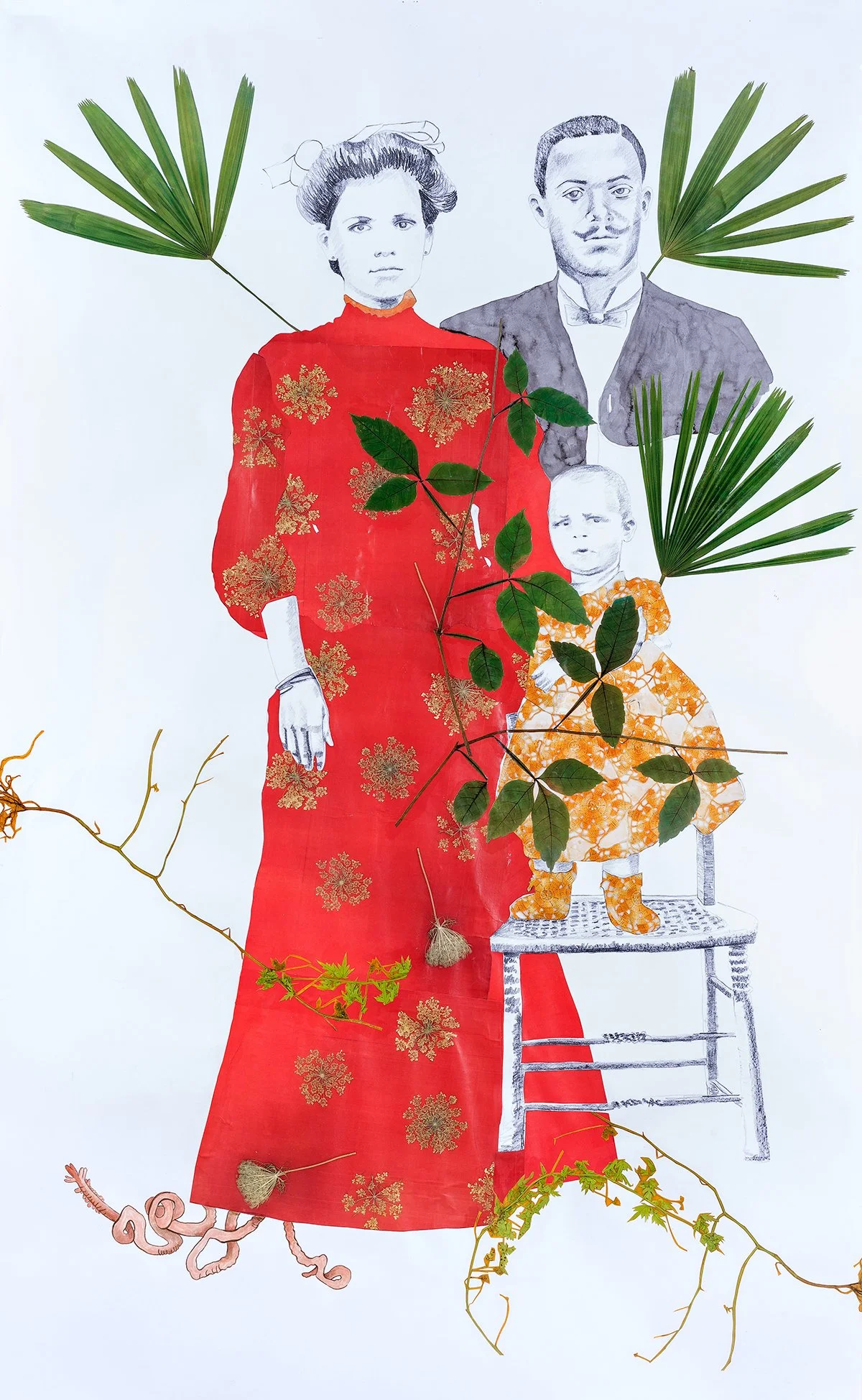
The central panel in Annalee Davis, As if the Entanglements of Our Lives Did Not Matter, 2019–2020, latex paint, acrylic, colored ink, colored pencil, gold leaf, and mixed media on paper. Image by Royal Botanic Gardens Edinburgh, courtesy of the artist.
In a center panel, one of Davis’s maternal great-grandmothers—dressed in a red gown patterned with Queen Anne’s Lace—appears beside the ghost of a young man and their daughter on a chair. Parasites (misogyny and racism), Lady Palm (wound healing), and roots stitch the family together in a complicated, plantation-rooted portrait. Elsewhere, the apothecary and vermifugal Common Sow thistle, Vervain, Bread ’n Cheese, Pawpaw, and Wonder-of-the-world spar with parasitical racism and the devastation spawned by centuries of mono-cropping sugarcane.
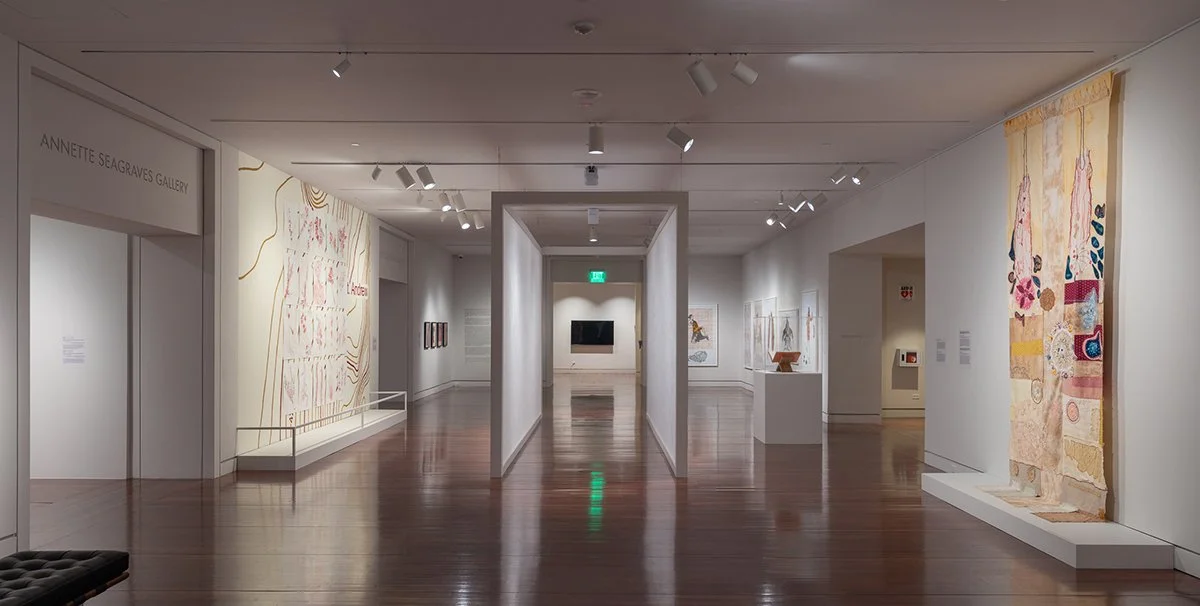
An installation view of the main gallery in Annalee Davis’s More Tender Geographies exhibition at Colorado Springs Fine Arts Center at Colorado College. Image by Wes Magyar, courtesy of Colorado Springs Fine Arts Center.
And still there is more. Mudda: A Lamentation cathedrals in the center gallery. Public Beach Access (2010) telescopes on the eerie scaffolding of whiteness still alive in Barbados. Stitched photographs, a wall-sized herbarium, and parasites demand close looking. Still, there is more keening, more of that same indelible color.
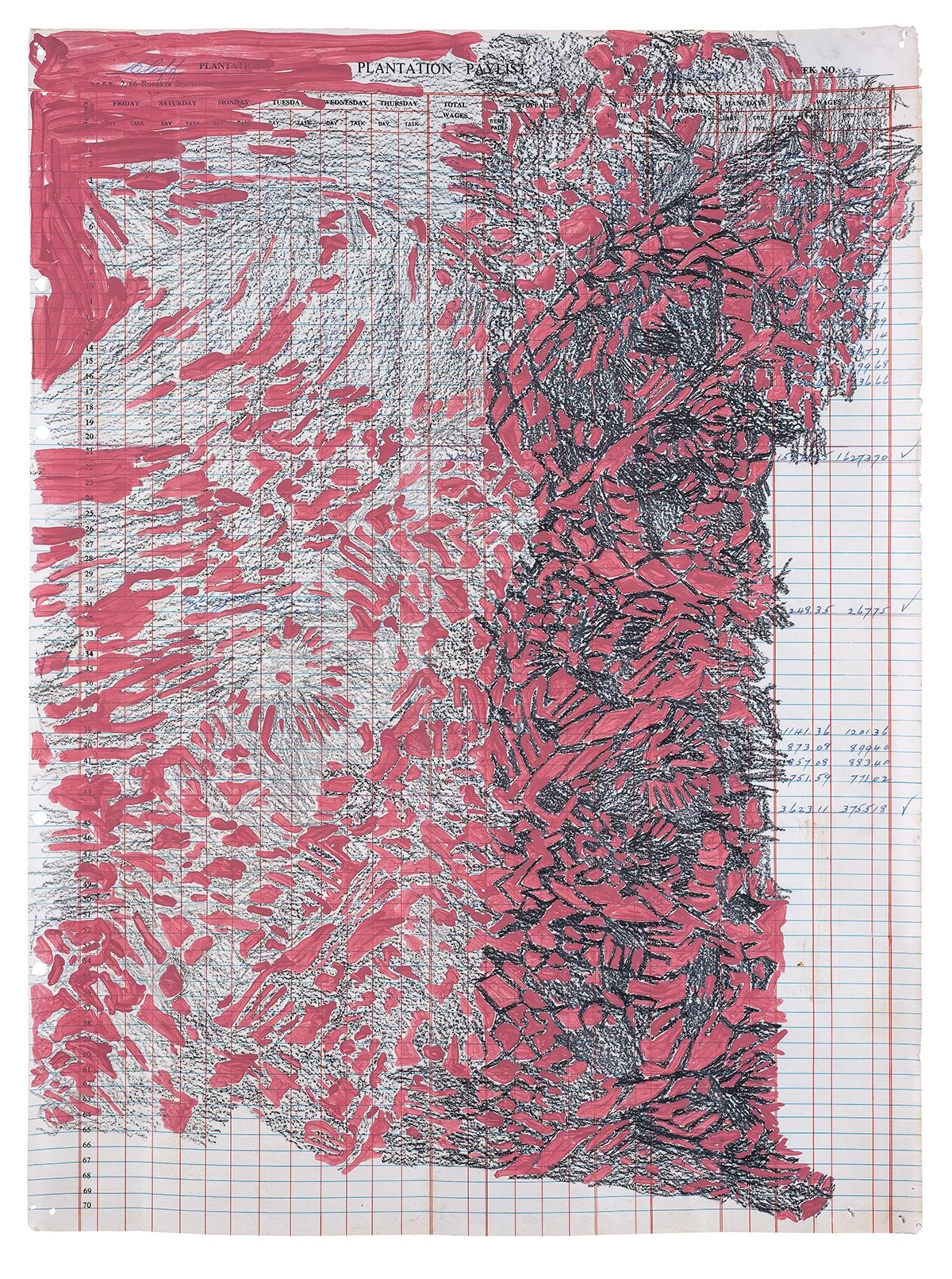
A detail view of Annalee Davis’s In Defense of Beauty, 2017, latex paint, gold leaf, and graphite on ledger pages. Image by Daniel Christaldi, courtesy of the artist.
More Tender Geographies offers no moralizing, as Davis “enacts the torment that batters good artists…between formal coherence and gut-wrenching truth.” [6] The show’s curation and impeccable artistic vision cohere into a rare and meticulous sensory experience that invites myriad feelings measure for measure. The marks of a killing machine are everywhere, suggests More Tender Geographies. And Annalee Davis is looking for them.
Madeleine Boyson (she/her) is an Editorial Coordinator at DARIA and a Denver-based writer, poet, and artist. She holds a BA in art history and history from the University of Denver.
[1] More Tender Geographies is Annalee Davis’s first solo museum exhibition in the United States. The phrases “killing machine” and “the miasma of history” come from Catherine Lord, A Creole Friendship: Annalee Davis & Catherine Lord (no place press: New Haven, 2026), no pagination, printed in conjunction with the exhibition. “Post-plantation landscape” is from the artist’s website: annaleedavis.com/archive/more-tender-geographies.
[2] From the artist’s website. Walkers also hosts Fresh Milk, a “cultural lab” that Davis co-founded in support of Caribbean artists. See freshmilkbarbados.com/.
[3] See the artist’s website and WIRRED’s main page at wirred.org/garden-of-hope/.
[4] From the exhibition’s introductory text.
[5] From the artist’s website. Davis identifies as a white creole woman—where “creole” describes people of African or European descent born in a colonized Caribbean—and uses this series to interrogate Martinique philosopher Edouard Glissant’s term “creolization.”
[6] From Lord, A Creole Friendship, np.